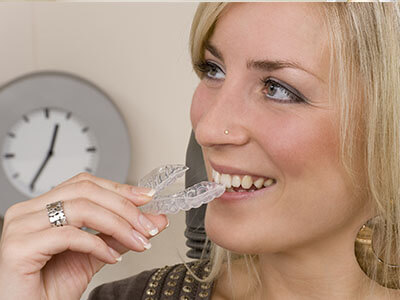
Schedule an evaluation
A clinical evaluation identifies alignment concerns and establishes whether clear aligners are an appropriate solution. This step ensures the proposed plan meets both functional and aesthetic goals.

Invisalign® represents a modern approach to orthodontic treatment that emphasizes discretion, comfort, and predictable results. For many adults and teens, clear aligners provide a way to improve alignment and bite without the visual and practical trade-offs associated with traditional brackets and wires. This page outlines how the system works, what patients can expect, and how treatment is coordinated from consultation through retention.
Clear aligners are designed to be low-profile and minimally disruptive. Because each tray is made from a smooth, clear plastic, most people notice them far less than brackets and wires. That discretion makes aligners a popular choice for professionals, students, and anyone wanting to maintain a natural appearance during treatment.
Beyond aesthetics, aligner therapy offers advantages in daily life. Aligners are removable for eating and oral hygiene, which simplifies brushing and flossing and reduces the dietary restrictions often required with fixed appliances. Patients typically find that cleanings and routine dental care remain straightforward throughout treatment.
From a clinical perspective, clear aligners allow for carefully staged tooth movement. Treatment plans are developed with digital planning tools that map intended movements across a series of aligners. The controlled, incremental approach helps manage tooth biomechanics and can address a broad range of alignment issues when supervised by an experienced clinician.
Successful aligner therapy begins with an accurate, three-dimensional understanding of your teeth and bite. Modern workflows use precise digital scans or impressions to create a virtual model of your mouth. This model serves as the foundation for planning a sequence of movements that leads from the current alignment to the intended outcome.
Using specialized software, your clinician designs a step-by-step progression and specifies the movements for each tooth. Those movements are translated into a series of custom-made clear aligners, each worn for a specified period before progressing to the next in the series. This pre-planned sequence gives the dental team greater predictability compared with more ad hoc approaches.
Because each aligner is fabricated to fit the teeth at a given stage, patients switch trays regularly to advance treatment. The removable nature of the system means aligners must be worn consistently to maintain momentum in the tooth movements. Your clinician will review the recommended wear schedule and monitor progress with periodic check-ins to ensure the plan is tracking as intended.
Most treatment protocols include an initial consultation, a digital scan, and periodic visits to monitor progress. Early appointments focus on planning—confirming goals, identifying any supplemental procedures needed, and explaining expectations for daily wear and care. Follow-up visits are typically brief and scheduled at intervals that match the pacing of your treatment plan.
Comfort and adaptation are common topics early in treatment. New aligners may feel snug at first as they engage the teeth, but that sensation usually subsides within a few days. Over-the-counter pain relief and guidance on how to insert and remove trays can help manage initial discomfort and make the transition smoother.
Oral hygiene is important throughout orthodontic care. Because aligners are removable, patients can maintain their usual brushing and flossing routines without instruments getting in the way. It’s also important to clean aligners regularly with gentle rinsing and recommended cleaning products to prevent staining and buildup. Your clinical team will provide specific instructions tailored to your needs.
After active alignment, a retention phase stabilizes the teeth in their new positions. Retainers—whether removable or fixed—are an essential component of long-term success because teeth can shift over time without support. Your clinician will recommend a retention strategy appropriate to your case and lifestyle.
Maintaining the alignment achieved through treatment also depends on regular dental care. Routine examinations and hygiene visits help detect changes early and support overall oral health. A healthy foundation of gums and supporting bone contributes to the lasting stability of orthodontic results.
Lifestyle habits and ongoing care choices play a role as well. Simple practices like wearing prescribed retainers, avoiding habits that place undue pressure on teeth, and following a consistent hygiene routine help protect both the investment in your smile and your oral health generally.
Starting with a clear consultation helps establish realistic goals and the technical approach that best fits your needs. At the initial visit, the doctor conducts a thorough oral exam and discusses alignment priorities, lifestyle considerations, and any complementary dental care that may be needed to support orthodontic work.
Digital scanning is often the next step—fast, comfortable, and precise. Scans capture the existing condition of your teeth and bite, and allow both you and your clinician to review a simulated treatment pathway. Seeing a visual preview helps set expectations and informs decisions about the sequence of care.
From the scan, a customized treatment plan is finalized and the aligner series is fabricated to the plan’s specifications. Throughout active treatment, the dental team provides guidance, monitors progress, and adjusts care when necessary to keep everything on track. The practice’s goal is to make the process predictable, manageable, and focused on achieving a functional, confident smile.

A clinical evaluation identifies alignment concerns and establishes whether clear aligners are an appropriate solution. This step ensures the proposed plan meets both functional and aesthetic goals.
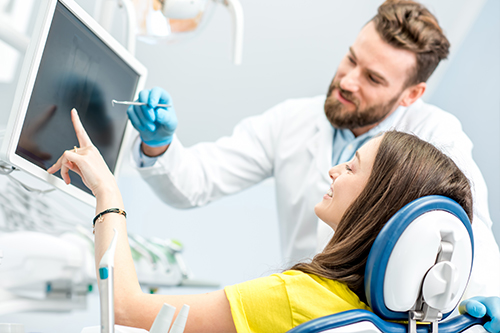
Using precise digital records, your doctor maps each stage of movement and shares a customized plan. The digital preview helps you understand anticipated progress and the estimated timeline for achieving your objectives.
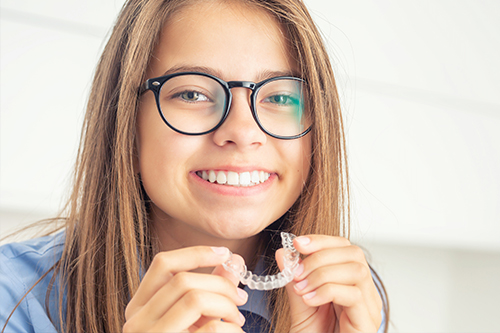
Your aligners are fabricated to fit your mouth at each stage of treatment, designed for comfort and effective tooth movement. Regularly advancing through the series produces the gradual changes planned by your clinician.

Throughout treatment you have access to clinical oversight and guidance. Periodic check-ins confirm progress, address any concerns, and help ensure the final result meets the goals set at the outset.
Short videos that explain treatment steps, patient experiences, and professional insights into aligner care.
*Invisalign® is a registered trademark of Align Technology, Inc.
To learn more about whether Invisalign® is a suitable option for your smile, contact Granger Dentistry for additional information and to arrange an initial consultation. Our team is available to discuss the process and help you determine the best path forward for achieving reliable, long-lasting results.
Invisalign® clear aligners are a modern orthodontic option that use a series of custom, removable trays to move teeth incrementally. Unlike traditional braces, aligners are made from smooth, clear plastic and avoid brackets and wires that can irritate soft tissues. That discreet design often makes aligners less noticeable during daily activities.
Treatment is planned digitally, which allows clinicians to visualize tooth movement and sequence aligners for controlled biomechanics. Aligners are removed for eating and oral hygiene, eliminating most dietary restrictions and simplifying brushing and flossing. When supervised by an experienced provider, this staged approach can address a wide range of alignment and bite concerns.
Good candidates for Invisalign® generally include teens and adults with mild to moderate crowding, spacing, or bite irregularities. Patients with stable oral health and a willingness to wear aligners as instructed typically achieve the best results. An in-person exam and digital records are necessary to determine whether aligner therapy is an appropriate option.
Some complex tooth movements or skeletal discrepancies may require alternative or adjunctive treatments such as fixed appliances or surgical intervention. Adjunctive measures like attachments, interproximal reduction, or elastics can expand the range of cases treatable with aligners. Your clinician will review these possibilities during the diagnostic phase.
The process begins with a consultation and detailed oral examination to identify alignment goals and any preparatory dental needs. Digital scanning or impressions produce a three-dimensional model used to design a step-by-step treatment plan and simulated outcome. That plan guides fabrication of a series of custom aligners that fit the teeth at each stage of movement.
At Stratford Family Dental, clinicians review the digital plan with patients so expectations and milestones are clear before treatment starts. Patients wear each aligner for the prescribed interval, typically switching trays according to the schedule advised by the dental team. Periodic check-ins allow the clinician to monitor progress and order refinements if necessary to achieve the intended result.
Daily wear typically requires aligners to be in place for most of the day, and patients remove them only to eat, drink anything other than water, and perform oral hygiene. Keeping aligners in for the recommended hours is essential to maintaining consistent tooth movement and avoiding delays. Initial trays may feel tight for a few days as teeth begin to move, but discomfort usually diminishes as you adapt.
Clean aligners regularly with gentle rinsing and the cleaning methods recommended by your clinician to prevent staining and buildup. Brush and floss before reinserting trays to reduce the risk of trapping food and bacteria against tooth surfaces. Storing aligners in their case when not worn helps prevent loss or damage and keeps the trays sanitary.
Treatment duration varies by case complexity but commonly ranges from several months to about a year or longer for more involved corrections. Factors that influence the timeline include the severity of the malocclusion, the number of stages in the plan, and how consistently the aligners are worn. The digital treatment preview gives an estimated timeline, but adjustments and refinements can extend the process.
Regular appointments let the clinician confirm that tooth movement is tracking as planned and make modifications when necessary. Remaining compliant with wear instructions and attending scheduled check-ins often shortens treatment and improves predictability. Your dental team will discuss realistic expectations for your individual case during the planning visit.
Invisalign® is highly effective for a broad set of alignment issues but has limitations for certain complex orthodontic problems and major skeletal discrepancies. Severe rotations, large vertical changes, or significant jaw misalignment may be better managed with fixed appliances or combined surgical approaches. An accurate clinical evaluation identifies whether aligners alone are a suitable solution or if adjunctive therapy is needed.
When aligners are appropriate, dentists may use attachments, IPR (interproximal reduction), or elastics to support specific tooth movements and improve outcomes. The treatment plan will note these measures if they are necessary to achieve desired results. A collaborative approach between the dental and, if needed, orthodontic specialists ensures that the chosen path matches the patient’s functional and aesthetic goals.
Progress monitoring combines scheduled in-person visits with digital records to verify that tooth movement matches the planned sequence. Clinicians evaluate fit, check for any unwanted movements, and assess oral health throughout treatment to maintain a safe and effective course. If movement deviates from the plan, the team can recommend adjustments or request additional aligners.
Patients should report persistent soreness, damage to trays, or a poor fit so the practice can address issues promptly and reduce treatment interruptions. Small fit concerns are often managed with brief appointments or revised aligners, while more complex problems may require a treatment refinement. Clear communication and timely visits help keep the plan on track and support successful outcomes.
Retention stabilizes teeth after active alignment and is essential to preserving the results achieved with aligners. Options include removable retainers worn full time initially and then nightly, or bonded fixed retainers placed behind the teeth for long-term support. Your clinician will recommend a retention protocol tailored to the type of movement completed and your long-term needs.
Adherence to the prescribed retainer schedule significantly reduces the risk of relapse and helps maintain occlusal stability over time. Regular dental visits allow the team to inspect retainers, check for relapse, and replace appliances if wear or damage occurs. A coordinated plan for retention and routine oral care gives the best chance of long-term stability.
Because aligners are removable, patients can continue routine dental cleanings and restorative care without appliances interfering with access. Maintaining strong oral hygiene during treatment is critical, since healthy gums and bone provide the foundation for lasting orthodontic results. Clinicians emphasize brushing, flossing, and professional hygiene visits to prevent decay and periodontal issues while wearing aligners.
Cleaning aligners properly and avoiding beverages that stain help preserve their clarity and reduce bacterial buildup. If plaque or inflammation develops, the dental team will address those issues promptly to protect both short-term comfort and long-term stability. Integrating orthodontic care with preventive dentistry ensures the best functional and aesthetic outcomes.
To begin Invisalign® treatment at Stratford Family Dental, schedule an initial consultation so the team can evaluate your smile, review goals, and confirm that aligners are appropriate. The appointment typically includes a thorough oral exam and digital scanning to capture precise records for planning. After reviewing the simulated treatment pathway, the clinician will explain next steps and expected milestones for your care.
You can request an appointment by calling (203) 375-4633 or using the practice’s appointment request process to arrange a consultation at the Stratford office. During that visit, staff will outline any preparatory care needed, the scanning workflow, and the monitoring schedule to keep treatment on track. A clear, documented plan helps patients understand what to expect and supports a predictable path to a healthy, aligned smile.