At the office of Granger Dentistry, we treat childhood dental care as an investment in lifelong health. Our team focuses on gentle, evidence-based approaches that help children feel safe and confident while building strong oral hygiene habits. From the first tooth through the teen years, we emphasize prevention, clear communication with families, and practical strategies that make daily care manageable.

Starting dental care early sets the tone for a lifetime of healthy teeth and gums. New parents often ask when to schedule a first appointment; the goal is to create a positive first experience and to give families straightforward guidance about daily hygiene, teething, and early signs of trouble. We focus on simple, age-appropriate routines that fit into busy family life so brushing and flossing become normal, not a battle.
During early visits, our team explains what to expect as baby teeth erupt and how to manage common concerns like drooling or discomfort during teething. We also demonstrate gentle techniques for cleaning tiny teeth and show parents how to introduce fluoridated toothpaste safely. These practical demonstrations help caregivers feel equipped and confident at home.
Beyond technique, we pay attention to the emotional side of early dental care. Creating a calm, welcoming environment and using positive language helps children associate the dental office with safety and kindness. When kids feel respected and at ease, subsequent visits are smoother and more productive for both families and clinicians.
Regular dental checkups are a cornerstone of pediatric oral health. These visits let us monitor tooth eruption patterns, detect early signs of decay, and assess gum health and bite development. For most children, routine exams and professional cleanings twice a year provide an effective balance of preventive oversight and timely intervention when needed.
At each visit, a careful review of medical and dental history informs our examination. We use modern, low-radiation digital imaging selectively when it will reveal information that can’t be seen clinically—such as hidden decay between teeth or the position of developing permanent teeth. This targeted approach helps avoid unnecessary exposure while ensuring any developing problems are identified early.
Professional cleanings remove plaque and tartar from areas that are hard to reach with normal brushing, and they give our team a chance to coach children on improving technique. We tailor oral hygiene instruction to the child’s age and motor skills, so parents receive practical steps they can reinforce at home.
Tooth decay is caused by a combination of factors: bacteria, fermentable carbohydrates, and time. When sugary foods and drinks remain on tooth surfaces, bacteria produce acids that slowly erode enamel. In children, who may not yet have fully consistent hygiene habits, decay can progress quickly if not monitored.
Preventive measures focus on reducing risk and strengthening tooth surfaces. This includes coaching on brushing and flossing, recommending protective treatments such as topical fluoride where appropriate, and applying sealants to the deep grooves of permanent molars when they erupt. Sealants and fluoride work together to create a protective barrier against decay in areas most vulnerable to cavities.
Because diet plays an important role, we provide practical advice on minimizing frequent sugar exposure—particularly from sticky snacks and sweetened beverages—and suggest tooth-friendly alternatives that support growth and dental resilience.
Establishing regular dental visits early so appointments feel routine and reassuring
Cleaning baby teeth gently and shifting to a soft-bristled toothbrush with a pea-sized amount of toothpaste as children grow
Avoiding prolonged bottle or sippy-cup use with milk or juice to reduce overnight decay risk
Bringing children in for exams and cleanings on a consistent schedule to catch problems early
Modeling good oral habits so children learn by example and are more likely to adopt consistent brushing and flossing
Choosing water over sugary drinks and limiting sweets; encouraging balanced snacks that support dental health
Gently discouraging prolonged pacifier or thumb-sucking as children approach school age
Using a properly fitted mouthguard for sports to protect teeth, lips, and jaws from injury
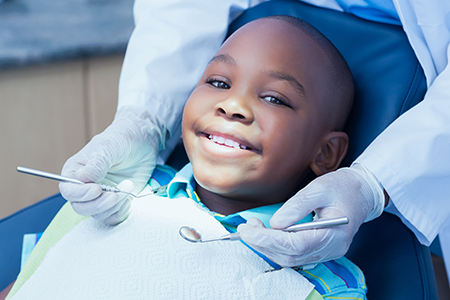
Many parents are surprised to learn that the first primary teeth begin forming well before birth and often appear within the first year of life. Because early tooth development sets the stage for future oral alignment and function, early monitoring matters. We encourage an initial visit around the time of the first birthday to review feeding habits, evaluate eruption patterns, and offer anticipatory guidance.
Teething discomfort is common and usually temporary. Safe home strategies—such as chilled teething rings, gentle gum massage, and distraction—can help relieve symptoms. If parents notice persistent redness, fever, or unusual behavior, we advise contacting the office so we can evaluate whether additional care is needed.
Baby teeth are not expendable: they help children eat, speak clearly, and preserve space for the permanent teeth yet to come. When primary teeth are lost too early because of decay or injury, space maintainers or other interventions may be recommended to guide healthy dental development.
As children grow, their dental needs evolve. We track facial growth, jaw development, and tooth alignment so that any necessary referrals—such as orthodontic evaluation—are made at a time that maximizes treatment effectiveness. Early detection of bite or alignment concerns allows for more conservative, timely solutions when they are most helpful.
Teen years bring unique challenges: changing routines, increased independence, and a higher likelihood of sports participation. We work with families to reinforce good hygiene, recommend protective equipment like custom mouthguards for athletes, and discuss how habits such as vaping or frequent energy drink consumption can affect oral health.
When anxiety or sensory sensitivities make office visits difficult, our team offers techniques to build comfort and cooperation. For some patients, gradual desensitization, clear explanations, and the use of child-friendly communication reduce fear and help children participate more readily in care.
Facial and jaw growth are best observed over time. Regular dental exams allow us to spot early signs of crowding, crossbites, or other developmental concerns that can affect chewing and speech. When early intervention is appropriate, we discuss timing and options so families can make informed decisions.
Not every child requires orthodontic treatment, but identifying issues early provides the greatest range of options and can simplify future care. We coordinate with orthodontic specialists when a referral becomes beneficial and support families throughout the decision-making process.
Nutrition supports both general growth and dental resilience. Foods high in calcium, phosphorus, and vitamins support tooth mineralization, while limiting frequent exposure to sugars reduces decay risk. Practical swaps—like choosing whole fruits instead of sticky candies or offering water between meals—make a measurable difference in oral health.
Parents can balance convenience with dental safety by planning snack times rather than offering continual grazing, and by encouraging water as the primary beverage. Small, consistent changes in daily routines often yield the most durable improvements in a child’s oral health trajectory.

At Granger Dentistry, our goal is to help families navigate each stage of childhood dental development with clear guidance and compassionate care. From early preventive strategies to managing injuries or complex developmental issues, our team supports parents with practical recommendations and attentive clinical care. Contact us to learn more or to schedule an appointment so we can help your child maintain a healthy, confident smile.
The American Academy of Pediatric Dentistry recommends a first dental visit by the time a child’s first tooth appears or by their first birthday to establish preventive care and monitor early development. The initial visit focuses on a gentle exam, guidance on feeding and cleaning, and anticipatory advice about teething and oral growth. Early visits set expectations and help families adopt simple routines that support long-term oral health.
The office of Stratford Family Dental encourages parents to use the first appointment as an opportunity to ask practical questions about daily care, fluoride use, and injury prevention. We demonstrate gentle cleaning techniques for infants and review safe habits parents can start immediately. Building a positive, stress-free first experience increases the likelihood that children will accept regular dental care as they grow.
Dental teams trained in pediatric care focus on creating a calm, welcoming environment that reduces fear and builds trust through positive language and child-centered communication. Common techniques include tell-show-do explanations, age-appropriate distractions, and allowing a parent to accompany the child when appropriate to provide reassurance. Staff use patient, encouraging interactions so children learn to view the office as a safe place for care.
For children with stronger anxiety or sensory sensitivities, gradual desensitization and short, familiarization visits can increase comfort and cooperation over time. The practice may also adapt the visit structure, scheduling, and sensory inputs to match a child’s needs and provide clear, consistent expectations. In situations where those measures are insufficient, we discuss additional options such as safe, monitored sedation to facilitate necessary treatment with the child’s welfare as the priority.
For most children, routine dental exams and professional cleanings every six months provide effective preventive oversight and timely detection of issues such as decay or eruption concerns. Frequency may be adjusted based on individual risk factors like previous cavities, special health needs, or dietary habits; some children benefit from more frequent recall visits for monitoring and coaching. During each visit the team reviews medical history, assesses oral hygiene skills, and recommends age-appropriate preventive care.
Digital X-rays and other diagnostic tools are used selectively when they will reveal information not visible during a clinical exam, such as hidden decay or developmental positioning of permanent teeth. This targeted approach minimizes exposure while ensuring problems are identified early. Parents receive clear guidance on the recommended interval between visits based on their child’s evolving needs.
Preventive care for children commonly includes professional cleanings, topical fluoride varnish when appropriate, and placement of dental sealants on deep grooves of newly erupted permanent molars to reduce cavity risk. These measures work together to strengthen tooth surfaces and protect areas that are hard to keep clean with routine brushing alone. Preventive recommendations are tailored to each child’s risk profile and development stage.
In addition to in-office treatments, oral hygiene instruction and parental coaching are central components of prevention, focusing on proper brushing technique, supervised flossing when contacts form, and age-appropriate fluoride use. The dental team partners with families to create a consistent home care plan and to monitor effectiveness at recall visits. When higher risk is identified, the team outlines targeted strategies to lower that risk over time.
Cavities develop when bacteria in dental plaque metabolize fermentable carbohydrates and produce acids that demineralize tooth enamel over time, a process that can progress more rapidly in children with inconsistent hygiene or frequent sugar exposure. Early detection through regular exams allows for conservative interventions that halt progression and preserve tooth structure. Preventive steps such as fluoride, sealants, and dietary changes reduce the chance that early lesions will advance.
Treatment depends on the extent of decay and the tooth involved; early cavities may be managed with remineralization strategies and close monitoring, while more advanced lesions typically require restorative care such as tooth-colored fillings or prefabricated crowns for primary molars. The goal of treatment is to restore function, prevent infection, and maintain space for developing permanent teeth. The team explains options clearly so families can make informed decisions aligned with the child’s growth and comfort.
Teething discomfort is common and usually manageable with safe, nonmedicinal strategies such as chilled (not frozen) teething rings, gentle gum massage with a clean finger, and offering cool soft foods for older infants. Parents should avoid using topical numbing agents for infants without professional guidance and consult the dental office if symptoms are severe or accompanied by fever or unusual behavior. In most cases, reassurance and supportive measures relieve symptoms until the tooth erupts fully.
Baby teeth play important roles in chewing, speech development, and maintaining space for permanent teeth, so caregivers should clean emerging teeth gently and transition to a soft-bristled toothbrush with a smear or pea-sized amount of fluoridated toothpaste as recommended. Regular dental visits beginning around the first birthday allow clinicians to monitor eruption patterns and provide anticipatory guidance. If a primary tooth is lost prematurely, the team can discuss space-preserving options to support healthy development.
Facial growth, jaw development, and tooth alignment are best observed over time, so early and periodic evaluation during routine dental visits helps identify signs that might benefit from orthodontic assessment. A commonly recommended age for an initial orthodontic evaluation is around 7 years old, when the mix of primary and permanent teeth often reveals potential crowding, crossbites, or growth discrepancies that may warrant monitoring or early intervention. Detecting these issues early increases the range of treatment options and can simplify future care when intervention is required.
Not every child needs orthodontic treatment, but the dental team coordinates closely with orthodontic specialists when referral is appropriate and explains timing and expected outcomes. Regular exams permit timely referral when growth patterns suggest that early guidance could reduce complexity later. Families receive clear information about signs to watch for and the advantages of staged or early treatment when indicated.
Dietary habits strongly influence cavity risk; limiting frequent exposure to sugary and sticky snacks, avoiding prolonged bottle or sippy-cup use with milk or juice, and offering water between meals help reduce acid attacks on teeth. Encouraging scheduled snack times rather than constant grazing and choosing tooth-friendly options like fresh fruit, cheese, and raw vegetables supports oral health while meeting nutritional needs. Small, consistent changes to meal and snack routines yield durable benefits over time.
At home, supervise brushing twice daily with an age-appropriate amount of fluoridated toothpaste and begin flossing when teeth contact each other to remove plaque from interdental areas. Modeling good oral habits and praising consistent effort reinforces children’s cooperation and skill development. The dental team provides practical, age-specific coaching and follow-up at recall visits to help families maintain effective routines.
Remain calm and assess the situation; for a knocked-out permanent tooth, handle it by the crown, rinse gently without scrubbing, and if possible place it back in the socket or store it in milk or the child’s saliva while seeking immediate dental care. For a fractured tooth, persistent bleeding, or severe pain, control bleeding with gentle pressure and contact your dental provider right away for triage and treatment recommendations. Prompt attention can often preserve tooth structure and improve outcomes after an injury.
If the injury involves a primary tooth, or if you are uncertain about the severity, bring your child in for an evaluation to check for damage to surrounding tissues and developing permanent teeth. The team can provide urgent care instructions, arrange timely assessment, and discuss protective measures such as properly fitted mouthguards for sports. Contact Stratford Family Dental promptly when a dental emergency occurs so we can guide you through the next steps.
Children with anxiety or sensory differences benefit from a tailored approach that may include longer appointment times, pre-visit preparation, and gradual desensitization to office sights, sounds, and sensations. The team uses clear, age-appropriate explanations, visual cues, and small, manageable steps to build familiarity and trust, and parents are coached on how to prepare a child at home. Positive reinforcement and predictable routines reduce fear and improve cooperation during visits.
When standard behavior management techniques are insufficient, the dental team discusses reasonable accommodations and, if appropriate, safe sedation options administered under strict protocols to ensure comfort and safety. Coordination with caregivers and, when needed, medical providers helps create an individualized plan that respects the child’s needs and supports successful care. These strategies aim to reduce avoidance, maintain oral health, and make dental visits a more positive experience over time.