If a clinician has recommended root canal treatment for one of your teeth, there’s no cause for panic. Modern root canal therapy is a carefully controlled procedure designed to stop infection, relieve pain, and preserve a tooth that would otherwise need to be removed. In many ways it is no more invasive than having a routine dental filling, and the results let patients keep their natural smile and normal bite function.
At Stratford Family Dental, we combine up-to-date technology with focused clinical experience to deliver precise, comfortable root canal care. Patient comfort and clear communication guide every step of treatment, so you’ll know what to expect before, during, and after your visit.
When possible, preserving a natural tooth is the best long-term option for oral health. A tooth that has been treated with root canal therapy can continue to function for many years — often for a lifetime — and helps maintain the alignment and integrity of surrounding teeth and jawbone. Avoiding extraction reduces the need for more complex restorative work later on.
Root canal therapy has a very high success rate when performed properly and followed by an appropriate restoration. By removing diseased tissue from the internal chamber of the tooth and sealing the canals, a dentist can eliminate the source of infection while keeping the outer structure intact. This approach protects both function and appearance.
Choosing to save a tooth with root canal treatment also preserves the way you chew and speak. Replacing a missing tooth may involve implants, bridges, or partial dentures — all of which are effective, but they add complexity. Whenever conditions allow, treating the tooth and restoring it is a conservative choice that prioritizes your long-term oral health.

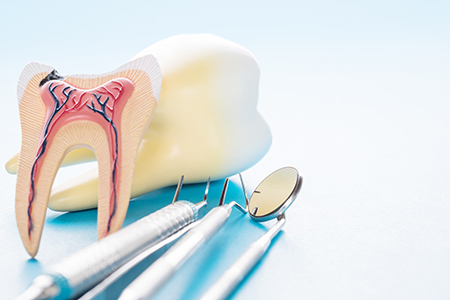
Teeth are more than enamel and dentin: inside each one is a small chamber that contains the dental pulp — the nerve, blood vessels, and connective tissue that helped the tooth develop. Once a tooth matures, the pulp is no longer essential for day-to-day function, but it will signal problems when decay, trauma, or cracks expose the deeper tissues to bacteria.
Symptoms that can indicate pulpal involvement include lingering sensitivity to hot or cold, pain when biting, swelling, or an area of discoloration. Sometimes a tooth with significant internal damage produces only minimal discomfort, which is why regular exams and appropriate X-rays are important: they can reveal problems before they escalate.
If the pulp becomes irreversibly inflamed or dies, bacteria can invade the canal system and lead to an abscess or bone loss around the root. In these situations, a root canal removes the source of infection, disinfects the internal spaces, and seals the tooth so healing can begin and the surrounding tissues can recover.
Below are common warning signs that should prompt an evaluation by a dentist:
Ongoing pain that interferes with sleep or daily activities often indicates that the inner tissues of the tooth are compromised. Pain that intensifies with pressure or persists after an injury warrants prompt assessment.
Teeth can react briefly to hot or cold, but a lasting, sharp sensitivity — especially after the stimulus is removed — commonly points to deeper inflammation or nerve involvement.
If chewing or simply touching the tooth produces pain, that sensitivity can be a sign that the pulp is irritated or that an infection has begun to affect the supporting structures.
A tooth that darkens following injury or over time may reflect internal changes from trauma or tissue breakdown. Discoloration should be evaluated along with other symptoms.
Structural damage can expose the inner portion of the tooth to bacteria or injure the pulp directly. Even small fractures can allow infection to develop if left untreated.
Swelling of the gums or a draining sore near the root often means an infection has advanced beyond the tooth. Early treatment reduces the chance of more serious spread.
An infection that affects the bone around the root can result in slight movement of the tooth. Treating the infection and restoring the tooth can help the tissues recover.

Delaying evaluation or treatment for a tooth that has signs of internal damage increases the chance that the infection will spread or that more extensive treatment will be required. What begins as localized discomfort can advance to an abscess, bone loss, or more diffuse facial swelling if left unchecked.
Sometimes a tooth with a significant problem causes little or no pain; these cases are frequently discovered during a comprehensive oral exam or on routine X-rays that reveal periapical changes at the tip of the root. Because symptoms don’t always match the severity of the condition, prompt professional assessment is important.
Early root canal therapy reduces the risk of complications and often simplifies the restorative steps that follow. In many cases, prompt treatment preserves more of the natural tooth structure and leads to a more predictable outcome than a delayed approach.
If your dentist recommends root canal therapy, scheduling a timely appointment can spare you additional discomfort and protect the health of nearby teeth and bone.
Root canal treatment is performed under local anesthesia so you remain comfortable throughout the procedure. After numbing the area, your dentist isolates the tooth with a rubber dam to keep it clean and dry and then creates a small opening through the crown to access the pulp chamber and canals.
Using specialized instruments and irrigation, the clinician removes the infected or damaged pulp, cleans the canal system, and shapes the spaces so they can be sealed. Modern techniques and equipment help improve precision and reduce treatment time. Some teeth can be treated in a single visit; others require two or more appointments depending on complexity and the presence of infection.
Once the internal spaces are clean and dry, they are filled with a biocompatible material and a secure seal is placed to prevent reinfection. Finally, the treated tooth is restored — often with a crown — to rebuild strength and function. Additional options, including dental sedation, are available for patients who experience anxiety or require more extensive treatment.
After a root canal, it’s normal to experience some mild soreness as surrounding tissues recover. Over-the-counter pain relievers are usually sufficient, and any prescribed medications should be taken exactly as directed. If antibiotics are provided for an active infection, it’s important to finish the entire course.
Protecting the treated tooth until a permanent restoration is in place is essential. A temporary filling or crown preserves the seal but may leave the tooth more vulnerable to fracture; patients are advised to avoid hard or sticky foods and to chew carefully on the opposite side until the final restoration is completed.
Continue to brush and floss daily and maintain routine dental exams so your dentist can monitor healing and the integrity of the restoration. With proper care, teeth that have undergone root canal therapy can remain healthy and functional for many years.
At our office, we prioritize clear post-procedure instructions and follow-up so you understand the timeline for restoration and what signs to watch for. If you notice unusual or prolonged pain, swelling, or other concerns, contact the practice promptly for an evaluation.
Root canal therapy is a reliable, tooth-preserving treatment when performed with attention to detail and followed by appropriate restoration. If you’d like to learn more about the procedure, how it’s performed in our practice, or whether it’s the right option for you, please contact us for more information.
A root canal is a dental procedure that removes diseased or injured pulp from inside a tooth to stop infection and relieve pain. It involves cleaning, disinfecting, and shaping the canal system before sealing it with a biocompatible material. Modern techniques make the procedure precise and minimally invasive in most cases.
Root canal treatment is recommended when the pulp becomes irreversibly inflamed or infected due to deep decay, trauma, or cracks that expose internal tissues to bacteria. When successful, the procedure preserves the natural tooth, which helps maintain normal chewing function and the alignment of adjacent teeth. This approach often avoids the need for extraction and more complex restorative work later.
Root canal therapy preserves a natural tooth by removing the infected or damaged tissues from the pulp chamber and root canals and then sealing the internal spaces to prevent reinfection. After cleansing and shaping the canals, clinicians fill them with an inert material that stabilizes the tooth and supports healing in surrounding tissues. The outer structure is then restored, commonly with a crown, to return strength and function.
Keeping the natural tooth helps maintain proper bite relationships and prevents the shifting of neighboring teeth that can occur after extraction. A retained tooth also preserves jawbone volume by transmitting normal chewing forces to the underlying bone. When possible, this conservative approach contributes to better long-term oral health and fewer restorative procedures over time.
Common symptoms that suggest pulpal involvement include persistent or severe toothache, prolonged sensitivity to hot or cold, pain when biting or chewing, and noticeable discoloration of the tooth. Swelling, drainage near the tooth, or a loose feeling can also indicate that infection has spread beyond the root. Sometimes a tooth with significant internal damage produces only mild or intermittent symptoms, which is why symptom patterns vary.
Regular dental exams and diagnostic X-rays are important because they can reveal problems before symptoms become severe or visible. If you notice any of the warning signs, prompt evaluation reduces the risk of complications such as abscess formation or bone loss. Your dentist will assess symptoms along with radiographic findings to determine whether root canal therapy is the appropriate treatment.
Root canal treatment begins with local anesthesia to keep the tooth and surrounding tissues numb during the procedure. The dentist isolates the tooth with a rubber dam, creates a small opening in the crown, and uses specialized instruments and irrigation to remove the infected pulp and shape the canal system. Advanced tools and rotary instruments improve precision and help reduce treatment time.
Once the canals are clean and dry, they are filled with a biocompatible material and sealed to prevent reinfection, and a temporary or permanent restoration is placed. Many teeth are restored with a crown to strengthen the remaining tooth structure and protect against fracture. Some cases can be completed in a single appointment, while others may require multiple visits depending on complexity and the presence of active infection.
You should not feel sharp pain during root canal therapy because the area is numbed with local anesthesia and the work focuses on removing painful tissue from within the tooth. Most patients report pressure or mild vibration rather than acute pain while the clinician works. If you experience discomfort during the procedure, communicating with your dentist allows them to adjust anesthesia or take other measures to maintain comfort.
It is common to have some mild soreness or tenderness for a few days after the treatment as surrounding tissues heal, and over-the-counter pain relievers are often sufficient to manage it. If a prescription for an analgesic or antibiotic is provided, follow the instructions closely and complete the course as directed. If pain worsens, swelling increases, or you develop fever, contact the dental office promptly for evaluation.
After a root canal, protect the treated tooth by avoiding hard, crunchy, or sticky foods until your permanent restoration is placed. A temporary filling or crown may be used initially, and chewing on that tooth should be minimized to reduce the risk of fracture. Maintain careful oral hygiene by brushing twice daily and flossing to keep the surrounding gums and teeth healthy.
Attend follow-up appointments so your dentist can verify healing and complete the final restoration, which is essential for long-term success. If you notice persistent tenderness, recurrent swelling, or any change in the restoration, schedule an evaluation to address potential problems early. With proper home care and routine dental visits, a treated tooth can remain functional for many years.
Root canal therapy has a high success rate when performed correctly and followed by an appropriate restoration, but no procedure is completely without risk. Potential complications include persistent infection due to complex canal anatomy, reinfection, root fracture, or the need for retreatment or apical surgery in select cases. Risk is reduced by thorough cleaning, proper sealing, and timely restoration of the tooth.
The long-term prognosis depends on factors such as the extent of the original infection, the tooth’s structural integrity, and the quality of the final restoration. Regular monitoring with clinical exams and radiographs helps detect problems early and supports favorable outcomes. If complications arise, your dentist will discuss retreatment options or other appropriate interventions.
Alternatives to root canal therapy include extraction of the affected tooth followed by replacement options such as a dental implant, bridge, or removable partial denture. Each alternative has different implications for function, preservation of adjacent teeth, and the complexity of future treatment. In some situations, an extraction may be the only viable choice, for example when a tooth is severely fractured or cosmetically nonrestorable.
Deciding between preservation and replacement requires a careful assessment of the tooth’s restorability, the health of surrounding tissues, and your overall oral health goals. Your dentist will review the risks and benefits of each approach, including the long-term effects on bite alignment and jawbone preservation. Collaborative treatment planning ensures the selected option aligns with your needs and clinical circumstances.
Stratford Family Dental offers comfort measures and discusses sedation options for patients who experience anxiety or require more extensive treatment. Available approaches may include nitrous oxide, oral sedation, or other controlled techniques that are evaluated for safety and suitability on an individual basis. Your dentist and clinical team will explain the options, anticipated effects, and pre-appointment instructions so you can make an informed decision.
Before recommending sedation, the practice reviews your medical history, current medications, and any health concerns to select the safest approach. Some forms of sedation require someone to drive you home and follow specific pre- and post-care instructions, so planning ahead is important. If anxiety has kept you from seeking necessary dental care in the past, talk with our team to learn which comfort measures may help you complete treatment successfully.
Seek emergency dental care if you experience severe, uncontrolled tooth pain, visible swelling of the face or gums, persistent drainage, or symptoms that suggest a spreading infection such as fever or difficulty breathing or swallowing. These signs can indicate an active abscess or rapidly progressing infection that requires prompt professional attention. Delaying care in such situations increases the risk of more serious health consequences and may complicate later treatment.
Contact Stratford Family Dental at (203) 375-4633 to schedule an urgent evaluation so the team can assess the situation and recommend appropriate next steps. The office can provide guidance on immediate measures to reduce discomfort and arrange for timely treatment when needed. If you are experiencing medical distress such as difficulty breathing, contact emergency medical services immediately in addition to reaching out to the dental office.