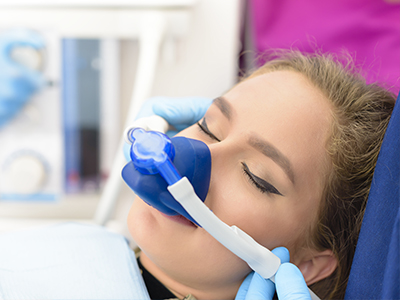
Dental anxiety is common — many adults feel nervous about dental visits, and for some that worry becomes a real barrier to care. If fear keeps you from routine checkups or necessary treatment, Stratford Family Dental offers respectful, evidence-based sedation options designed to help you get the care you need with far less stress. Our priority is to make dental visits safe, predictable, and as comfortable as possible for every patient.
Avoiding the dentist because of anxiety can allow small problems to grow into larger ones. Sedation dentistry is a practical tool that reduces the emotional and physical discomfort associated with treatment, so patients can complete needed procedures without prolonged worry. Sedation is not a one-size-fits-all solution; it’s a tailored approach that complements local anesthesia and modern clinical monitoring.
Throughout your visit our team focuses on clear explanations, careful monitoring, and steady communication. Sedation is used to ease tension and improve the patient experience — it does not replace good clinical technique or the safety checks that accompany every procedure. We’ll take time to review your medical history, answer your questions, and explain what to expect before, during, and after sedation so you can make an informed choice.
The rest of this page explains how sedation works, who typically benefits, the options commonly used in dental offices, and what to expect in terms of safety and recovery. If you would like to discuss sedation as part of your individualized treatment plan, our team is ready to help.
Sedation dentistry creates a relaxed state that reduces anxiety and sensitivity for patients undergoing dental treatment. Depending on the method chosen, sedation can range from light relaxation to deeper calming effects while still allowing the patient to breathe independently and respond to verbal cues. The goal is to make procedures more tolerable while maintaining patient safety and clinical control.
For many people, sedation makes the difference between delaying care and completing necessary work in a timely way. When anxiety is lowered, patients often sit more comfortably, the dental team can work with greater efficiency, and longer or more complex appointments can be completed with fewer visits. This approach minimizes physical and emotional stress while helping patients maintain better oral health.
Sedation is used alongside standard pain control measures such as local anesthetic. While local anesthesia numbs the treatment area, sedation addresses the psychological and physiological responses to dental care — reducing heart rate elevation, muscle tension, and the distraction that fear causes. This dual approach improves the overall quality and comfort of the visit.
People choose sedation for many reasons. Severe dental fear or phobia — when a patient consistently avoids care because of intense anxiety — is a primary indication. Sedation helps these individuals tolerate examinations and procedures that would otherwise be too distressing, enabling diagnosis and treatment that protect long-term oral health.
Sedation is also valuable when a particular procedure causes anxiety, even for those who are otherwise comfortable at routine visits. Some treatments require steady cooperation and extended time in the chair; sedation can shorten the perceived duration of care and make longer appointments feel far less taxing.
Other common reasons include a pronounced gag reflex, highly sensitive teeth and gums, or physical or cognitive conditions that make sitting still difficult. In such cases sedation creates a calmer environment for both the patient and the clinician, allowing necessary work to be completed safely and with dignity.
For patients who prefer to minimize the number of visits needed to complete comprehensive treatment, sedation can allow more work to be done in a single session. Whenever extended treatment is planned, we discuss the safest, most appropriate approach and select the method that balances comfort with independent breathing and stable vital signs.

Sedation is not the same for everyone. The right choice depends on your medical history, the complexity of the procedure, and your personal comfort goals. Our clinical team evaluates each patient individually and recommends an approach that meets safety standards while delivering effective anxiety relief.
Before recommending sedation, we review medications, existing health conditions, and past experiences with sedation or anesthesia. This assessment helps us predict how you are likely to respond and whether additional precautions or a different environment (such as a hospital setting for general anesthesia) would be advisable.
Below we outline the common distinctions between office-based conscious sedation and general anesthesia, as well as the main types of conscious sedation typically used in dental practices.
Conscious sedation allows patients to remain breathing independently and responsive to verbal commands while feeling deeply relaxed. It is administered in the dental office under careful monitoring and is appropriate for most anxious patients and many routine to complex dental procedures. Vital signs are continuously observed, and dosing is adjusted to maintain safety.
General anesthesia involves a deeper, controlled state of unconsciousness and is typically provided in a hospital or surgical center by an anesthesiologist. It is reserved for situations where other methods are insufficient or when a medical condition requires hospital-based care. Conscious sedation, on the other hand, is the standard for many dental offices because it safely balances comfort and responsiveness.
Office-based conscious sedation can be tailored from light to moderate or deep sedation, depending on your needs. Lighter levels reduce apprehension while preserving full conversational responsiveness; deeper levels may leave you with little memory of the procedure. Throughout, the clinical team monitors breathing, oxygenation, heart rate, and blood pressure to ensure stability.
If your chosen method requires specific preparation, such as fasting before IV sedation, we will provide clear pre-appointment instructions. We will also explain whether you should arrange for a responsible adult to accompany you to the appointment and drive you home afterward.
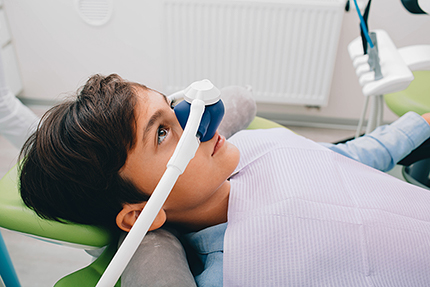
Nitrous oxide — commonly called "laughing gas" — provides light, quickly reversible relief from anxiety. It is inhaled through a small mask and mixed with oxygen for safety. Effects begin rapidly and wear off just as quickly once the gas is stopped, allowing most patients to resume normal activities soon after the procedure.
Oral sedation involves taking a prescribed medication before your appointment to produce a calm, drowsy state. The level of sedation varies with the medication and dosage. Because oral sedatives can linger, patients typically need an escort to and from the office and should plan on resting for the remainder of the day.
IV sedation delivers medication directly into a vein for fast, controllable effects. It is used when deeper sedation is appropriate or when precise titration is needed over the course of a longer procedure. IV sedation requires careful monitoring and specific pre-appointment instructions, such as fasting, and patients will need someone to accompany them home after the visit.
Safety is the foundation of any sedation protocol. Our team follows established guidelines for monitoring oxygen levels, heart rate, and blood pressure throughout sedated care. Staff members who administer sedation are trained in advanced life support and emergency response, and necessary emergency equipment is kept on hand.
Before any sedative is administered we review your current medications, allergies, and relevant medical history to minimize risks and avoid interactions. Accurate health information allows us to plan appropriately and choose the method that best matches your clinical profile and comfort needs.
During sedation, we maintain open communication with you and adjust medication levels as needed to keep you comfortable while preserving safe respiratory and cardiovascular function. After the appointment, we monitor your recovery until you are stable and alert enough to safely leave with a responsible companion if required.
Preparing for a sedated visit typically involves a few simple, important steps: follow any fasting instructions for deeper sedation, bring a list of current medications, and arrange for someone to take you home if your sedative requires an escort. We will provide specific, written instructions tailored to the sedation method you choose.
Recovery timelines vary by method. Nitrous oxide wears off quickly and most patients can return to normal activities soon after. Oral and IV sedatives take longer to clear and rest is advised for the remainder of the day. You should avoid driving, operating heavy machinery, or making important decisions until you are fully alert and cleared by our team.
If you experience any unusual symptoms after a sedated visit — prolonged dizziness, difficulty breathing, or a reaction at the medication site — contact the dental office or seek medical attention right away. We will schedule follow-up and provide aftercare guidance to support a smooth recovery.
Sedation can change the dental experience from something stressful into a manageable, even calm, part of maintaining your health. If you think sedation might help you or a family member complete needed dental work, Stratford Family Dental can explain the options and help design a plan that prioritizes comfort and safety. Contact us to learn more and discuss whether sedation is appropriate for your next visit.
Sedation dentistry uses safe, controlled medication to reduce anxiety and increase comfort during dental procedures. It ranges from mild relaxation with nitrous oxide to deeper conscious sedation using oral or intravenous medications, and it is used alongside local anesthesia to manage pain. The primary goal is to make necessary dental care more tolerable so patients can complete treatment without undue stress.
Sedation can shorten the perceived length of an appointment and improve cooperation, which is especially helpful for longer or more complex procedures. It also reduces physiological responses to anxiety such as elevated heart rate and muscle tension, supporting a calmer treatment environment. Your dental team will explain how sedation fits into your overall care plan so you can make an informed choice.
Good candidates include patients with significant dental anxiety or phobia, a strong gag reflex, extreme sensitivity to treatment, or difficulty sitting still for extended periods. Sedation is also considered when a patient prefers to consolidate multiple treatments into fewer visits to minimize appointments. Each patient is evaluated individually to determine whether sedation is appropriate and which method best balances comfort and safety.
Medical history, current medications, and any underlying health conditions are reviewed before recommending sedation to identify potential risks or interactions. Some patients with certain medical conditions may require special precautions or a referral to a hospital setting for general anesthesia. The dental team tailors the approach to each patient’s needs and provides clear pre-appointment instructions.
Common office-based options include inhaled nitrous oxide, prescription oral sedation, and intravenous (IV) sedation, each offering different depths of relaxation. Nitrous oxide provides light, rapidly reversible relaxation and is often used for routine visits. Oral sedatives create a drowsy, relaxed state and typically require an escort home, while IV sedation allows fast, controllable effects for longer or more involved procedures.
Conscious sedation keeps patients breathing independently and responsive to verbal cues, whereas general anesthesia produces a controlled state of unconsciousness and is usually administered in a hospital. The dental team will recommend the method that best matches the complexity of the procedure and the patient’s medical profile. All options are delivered with monitoring and safety protocols to maintain stable vital signs.
Safety begins with a thorough medical review, including a list of current medications, allergies, and previous experiences with anesthesia or sedation. During treatment the team continuously monitors oxygen levels, heart rate, blood pressure, and respiration to make real-time adjustments. Clinicians who administer sedation are trained in emergency response and advanced life support, and emergency equipment is available on site.
Protocols also include clear written instructions for preparation and recovery, documentation of dosing and observations, and criteria for discharge when recovery is complete. If a patient’s health status suggests additional risk, the team will discuss alternative arrangements such as hospital-based general anesthesia. Open communication between the patient and clinical staff is emphasized at every step to maintain safety.
Preparation varies by sedation type but commonly includes fasting for IV sedation, bringing a list of current medications, and arranging for a responsible adult to accompany you to and from the appointment. You should follow any written pre-appointment instructions provided by the office, and avoid alcohol or recreational drugs before sedation. Wear comfortable, loose-fitting clothing and avoid heavy perfumes or accessories that could interfere with monitoring.
Be prepared to discuss your complete medical history, including recent illnesses, cardiovascular conditions, respiratory issues, and any sleep-disordered breathing. If you are taking prescription medications, ask the office whether to continue them on the day of the appointment. Clear pre-visit communication helps the team choose the safest, most effective sedation plan for your needs.
Recovery depends on the type of sedative used: nitrous oxide wears off quickly and most patients resume normal activities shortly after, while oral and IV sedatives may require several hours of rest. Patients are typically monitored in the office until they reach a stable level of alertness and vital signs are within acceptable ranges. A responsible adult should accompany patients who received oral or IV sedation and remain available until the patient is fully recovered.
Common aftereffects include drowsiness, slowed reflexes, and mild dizziness, which generally resolve within hours. Patients should avoid driving, operating machinery, or making important decisions for the remainder of the day unless cleared by the dental team. If unusual symptoms occur after leaving the office, such as prolonged breathing difficulty, severe dizziness, or allergic reactions, contact the office or seek medical care immediately.
Most office-based dental sedation methods produce conscious or deep sedation, not full unconsciousness. Patients under conscious sedation typically breathe independently and can respond to verbal commands, though memory of the procedure may be reduced with deeper levels. General anesthesia, which renders a patient fully unconscious, is usually performed in a hospital or surgical center by an anesthesiologist and is reserved for cases where office-based methods are not appropriate.
The dental team will explain the expected level of responsiveness for your chosen method and discuss whether hospital-based anesthesia might be necessary for complex medical situations. Understanding the distinction helps set realistic expectations for awareness, memory, and recovery following treatment. Safety and continuous monitoring remain priorities regardless of the sedation depth.
Certain medications and medical conditions can affect how sedatives are metabolized and how a patient responds, so full disclosure of prescriptions, over-the-counter drugs, and supplements is essential. Drugs such as benzodiazepines, opioids, and some antihistamines can interact with sedative agents and increase respiratory or cardiovascular depression. Chronic conditions like liver or kidney disease, heart disease, and sleep apnea also alter risk profiles and may require modified dosing or alternative approaches.
Based on your history the dental team may consult with your physician, adjust medication timing, or recommend different sedation methods to maintain safety. Pregnant patients and those with unstable medical conditions often require special consideration and may be advised to delay elective sedation. Careful planning and coordination reduce risks and help select the most appropriate sedation strategy.
Children can benefit from sedation when needed, but pediatric sedation decisions are made with particular caution and age-appropriate protocols. Nitrous oxide is commonly used for mild anxiety and is well tolerated by many children, while oral or IV sedation may be considered for more extensive treatment or for very anxious patients. For deeper sedation or general anesthesia, pediatric specialists or hospital-based services are often involved to provide an environment tailored to younger patients.
Parents should provide a complete medical history, follow pre-appointment instructions closely, and arrange for supervision during recovery. The dental team will explain the risks, benefits, and expected recovery for the chosen method and ensure that monitoring and emergency readiness meet pediatric standards. Clear communication helps families feel informed and confident about the plan for their child.
Start by describing your past dental experiences, specific fears, and any medical conditions or medications you are taking so the team can assess suitability and safety. Ask about the expected level of sedation, monitoring procedures, pre-appointment instructions, and what recovery will look like so you have realistic expectations for the visit. Request that the staff explain how sedation will be combined with local anesthesia and what steps they take to minimize risks.
The practice will provide a written plan and consent process that outlines the chosen method and any necessary preparations, and staff will be available to answer follow-up questions before and after your appointment. Bringing a trusted companion to the visit helps ensure a smooth arrival and return home when sedation requires an escort. If you prefer, request a consultation to review options in detail before scheduling treatment.