When decay or damage alters a tooth’s shape or function, a composite filling offers a restorative option that prioritizes both strength and appearance. Composites are advanced resin materials formulated to mimic the translucency and color of natural enamel, allowing a repair that blends in with the surrounding teeth. This makes them especially suitable for visible areas where appearance matters as much as function.
The placement technique relies on adhesion to the remaining tooth structure rather than mechanical retention alone. That bonded interface helps stabilize the restored tooth and reduces the need to remove healthy enamel during preparation. The result is a conservative repair that conserves more of the natural tooth while delivering reliable chewing performance.
Composite restorations are versatile: they can repair small cavities, close gaps, rebuild fractured edges, and be used in combination with other restorative treatments as needed. With appropriate care and routine dental oversight, they are a durable solution that addresses both clinical concerns and cosmetic expectations.
At the office of Granger Dentistry, clinicians select restorative materials and layering techniques to achieve a natural look and a comfortable bite, taking care to match shade and contour for seamless integration with your smile.
Tooth-colored composites offer several clinical advantages compared with traditional metallic fillings. Because they are mercury-free and free of metal alloys, they eliminate aesthetic concerns and many patients prefer their biological and cosmetic profile. The ability to match color precisely means restorations can be virtually indistinguishable from adjacent teeth.
Clinically, composite materials bond directly to enamel and dentin. That bond not only improves the seal against bacteria but also increases the mechanical strength of the restored tooth by distributing biting forces across the repaired area. In many cases, less removal of healthy tooth tissue is required versus older filling methods, which supports long-term tooth integrity.
The adaptability of composite resin allows clinicians to sculpt natural contours and smooth surfaces that resist plaque buildup. Contemporary composites also demonstrate improved wear resistance and color stability compared with earlier generations, making them a preferred option for many routine restorative needs.
Because composites can be repaired or resurfaced without fully replacing the restoration, they often provide a conservative pathway for managing future wear or minor failure while preserving more of the original tooth than alternative treatments might require.

Treatment begins with a careful evaluation to identify the size and location of the lesion and to determine the most appropriate approach. When a filling is indicated, local anesthesia is commonly used to ensure the procedure is comfortable. The practitioner removes the decayed tissue with precision instruments, taking care to preserve as much healthy structure as possible.
Once the cavity is cleaned and prepared, the dentist layers the composite resin in small increments. Each layer is shaped to reproduce the tooth’s natural anatomy and then cured with a special light that hardens the material quickly. This layered approach helps prevent shrinkage and allows for fine contouring of the restoration.
After the composite is fully set, the clinician checks and adjusts the bite to ensure even contact and comfortable chewing. Final polishing creates a smooth, glossy surface that resists staining and promotes easier cleaning. Most single-surface fillings are completed in one visit, while larger or more complex restorations may require additional time.
Patient comfort and clear communication are central to the process. If anxiety or sensitivity is a concern, the team can discuss options such as oral sedation or other calming techniques to make the visit easier and less stressful for you.
Temporary numbness after local anesthesia is normal; avoid chewing or touching the treated area until sensation returns to prevent accidental injury to soft tissues. It’s also common to notice mild sensitivity to temperature or pressure for a few days as nerves respond to the procedure. This usually subsides without intervention.
If you experience sharper pain when biting or persistent sensitivity beyond a week, it’s important to contact the office so the restoration and surrounding tooth can be evaluated. Minor adjustments to the filling or an occlusal refinement often resolves bite-related discomfort quickly.
Maintaining good oral hygiene—brushing twice daily with a soft-bristled brush and flossing once a day—reduces the risk of recurrent decay around the margins of a filling. Regular dental examinations and professional cleanings allow your clinician to monitor restorations and detect early changes before they become larger problems.
Brushing, flossing, and maintaining regular checkups at Granger Dentistry will help protect both your restoration and your overall oral health, supporting the long-term success of the work performed.
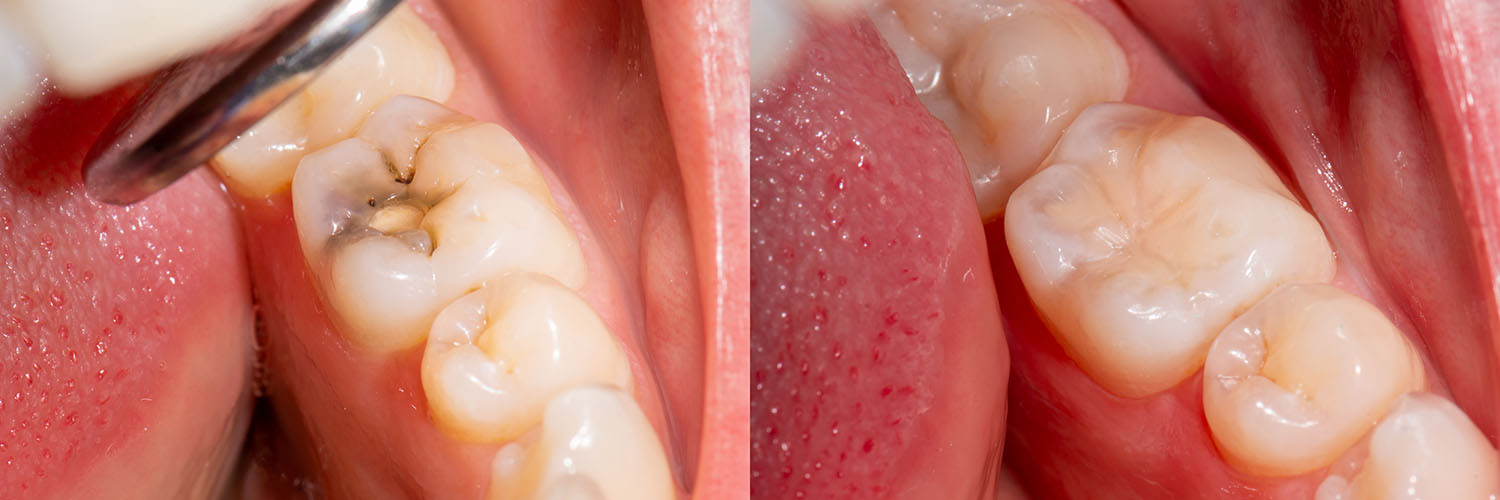
Not every damaged or decayed tooth is best treated with a direct composite filling. When the defect is extensive or a tooth’s cusps require reinforcement, indirect restorations such as inlays, onlays, or full-coverage crowns may provide superior strength and longevity. These options are designed to restore form and function while protecting the remaining tooth substance.
For teeth with deep decay or when the pulp has been affected, endodontic treatment followed by a durable restoration may be recommended. The clinician will weigh factors such as remaining tooth structure, bite forces, and aesthetic needs when advising on the optimal long-term plan.
Regular monitoring is an important part of long-term restorative care. Even well-placed fillings can experience marginal wear, staining, or small gaps over time; periodic assessment allows for timely maintenance or replacement before more extensive damage occurs.
Collaborative decision-making between you and your dentist ensures that restorative choices align with your oral health goals, functional needs, and cosmetic preferences while preserving as much natural tooth as possible.
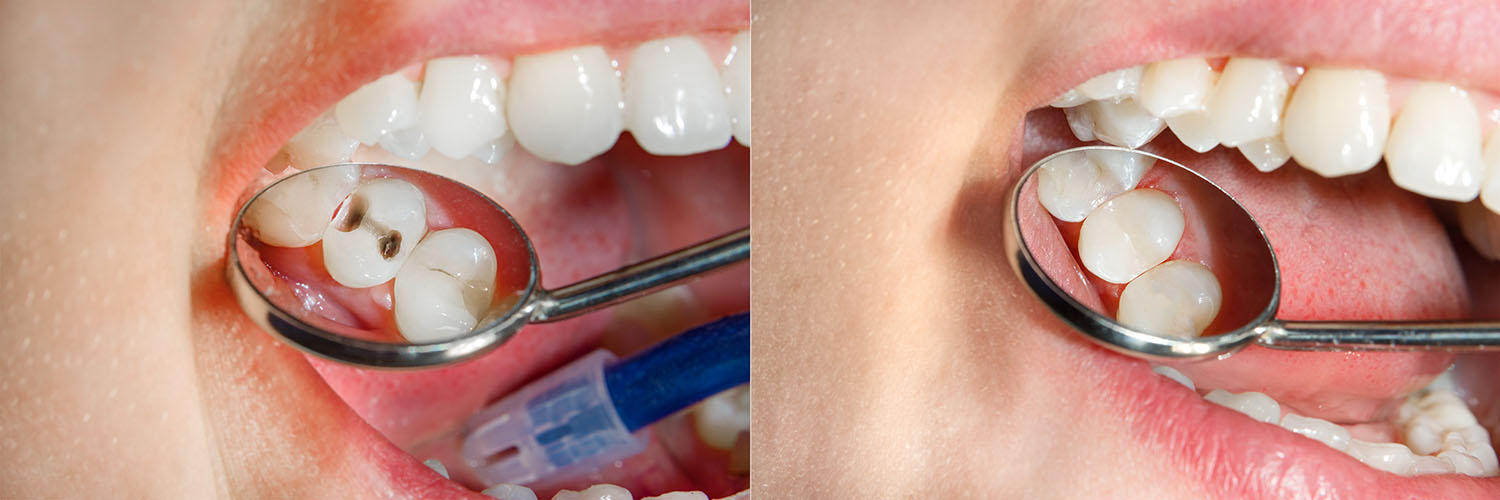
Whether you’re addressing a small cavity or planning a broader restorative approach, tooth-colored composite fillings are a versatile, conservative option that balances durability with aesthetics. For more information about tooth-colored restorations or to discuss which approach best suits your needs, please contact us.
Tooth-colored composite fillings are restorations made from resin materials designed to match the shade and translucency of natural enamel. They are placed in a pliable form and then hardened with a specialized curing light to create a durable repair. The material bonds to both enamel and dentin, which helps stabilize the remaining tooth structure and preserve more healthy tissue.
Because the restoration relies on adhesion rather than mechanical retention, less sound tooth is removed during preparation. Composites can be layered and sculpted to reproduce natural contours, contact points and a comfortable bite. Clinicians pay careful attention to shade selection and finishing to ensure the restoration blends with adjacent teeth.
Composite fillings offer aesthetic and structural advantages by matching tooth color and bonding directly to tooth structure. That bond improves the marginal seal against bacteria and can distribute chewing forces across the restoration, which supports long-term tooth integrity. Because composites are mercury-free and do not rely on metal alloys, many patients prefer their biological and cosmetic profile.
The ability to conserve more healthy enamel during preparation is another practical benefit of composite restorations. Composites are also repairable in many cases, allowing clinicians to resurface or patch small areas without completely replacing the restoration. Modern formulas have improved wear resistance and color stability compared with earlier generations.
Placement begins with a clinical evaluation and radiographs when necessary to assess the size and location of decay or damage. Local anesthesia is commonly used to ensure comfort while the practitioner removes decayed tissue and prepares the cavity with conservative techniques. The prepared surface is conditioned and a bonding agent is applied before the composite is placed in small increments.
Each increment is shaped and then cured with a light to harden the material and minimize shrinkage. After the layers are complete, the clinician adjusts the occlusion to ensure even contact and refines the contours for comfortable chewing. Final polishing produces a smooth, glossy surface that resists staining and helps maintain oral hygiene.
During the procedure most patients are comfortable because local anesthesia is used to numb the treated area and minimize sensation. The degree of discomfort varies by individual and by the depth of the cavity, but practitioners take steps to control pain and communicate throughout the appointment. For patients with dental anxiety, additional calming measures such as oral sedation or relaxation techniques can be discussed prior to treatment.
After the anesthetic wears off it is normal to experience mild sensitivity to temperature or pressure for a few days as the nerve adjusts to the restoration. Persistent or sharp pain when biting, increasing sensitivity beyond a week, or swelling should prompt a return visit for evaluation. Often a minor adjustment to the filling or occlusal refinement resolves bite-related discomfort quickly.
Good oral hygiene is the foundation for protecting any restoration: brush twice daily with a soft-bristled brush, floss once daily, and maintain routine dental exams and professional cleanings. Avoiding habits such as chewing ice or using teeth as tools reduces the risk of chipping or premature wear. A balanced diet and limiting frequent sugary snacks also help prevent recurrent decay at the margins of restorations.
The longevity of a filling depends on factors like the size and location of the restoration, bite forces, oral hygiene, and regular monitoring by your dentist. Small repairs and resurfacing are often possible if minor wear appears, which can extend the life of the restoration while preserving tooth structure. Periodic clinical and radiographic reviews allow early detection of marginal leakage, secondary decay, or material wear before problems escalate.
Mild sensitivity for a few days is common, but you should contact the dentist if you experience sharp pain when biting, persistent sensitivity beyond a week, noticeable roughness or a high spot when you bite, or signs of infection such as swelling or drainage. These symptoms can indicate an occlusal interference, a fractured cusp, recurrent decay, or rarely a pulpal issue that requires further care. Prompt evaluation helps prevent more extensive treatment later.
If you notice that the filling feels loose, is visibly chipped, or a dark line appears at the margin, schedule a follow-up for assessment and possible repair. Early intervention for minor problems often allows for conservative management rather than replacement with a larger restoration. Your dental team can inspect the restoration, make occlusal adjustments, or recommend the appropriate next steps.
Fillings are ideal for small to moderate defects, but when a tooth has extensive decay, large fractures, or thin remaining cusps, indirect restorations such as inlays, onlays or full-coverage crowns may provide superior strength and protection. If the decay has reached the pulp, root canal treatment followed by a durable restoration is often necessary to preserve the tooth. The choice of restoration is based on remaining tooth structure, functional demands and aesthetic considerations.
Indirect restorations are fabricated to reinforce cusps and distribute biting forces, which can improve longevity for heavily restored teeth. Sometimes a staged approach is appropriate, beginning with a core restoration and planning for a crown as part of long-term treatment. Collaborative decision-making between you and your dentist ensures the selected option balances preservation of natural tooth with durability and function.
One advantage of composite restorations is that small chips or localized wear can often be repaired rather than replaced entirely. Because the material bonds to tooth structure, a skilled clinician can remove any compromised surface, recondition the area and add fresh composite to restore form and function. This conservative approach helps preserve as much natural tooth as possible.
Repair suitability depends on the extent of damage, the condition of the surrounding tooth and how well the existing restoration bonds to the substrate. During routine examinations your dentist will evaluate restorations and recommend repair, resurfacing or replacement based on clinical findings and long-term planning. Timely maintenance generally leads to simpler and more conservative care.
Composite fillings are widely used and considered safe for the majority of patients; they are free of mercury and metal alloys and are formulated to meet dental material safety standards. Rarely, some patients may have sensitivities to components used in dental resins, and a careful medical and allergy history helps clinicians identify potential concerns before treatment. If a known sensitivity exists, alternatives can be discussed to ensure patient safety and comfort.
Materials undergo rigorous testing for biocompatibility, and modern bonding protocols reduce exposure to unreacted monomers by thoroughly curing the restoration. If you have a history of material sensitivities or chemical allergies, inform your dental team so they can recommend appropriate materials and precautions. Open communication ensures the chosen restoration aligns with your health needs and treatment goals.
Preventing new cavities and protecting restorations starts with consistent daily hygiene, including brushing twice daily with fluoride toothpaste and flossing to remove plaque from contact areas. Regular professional cleanings and examinations allow your dentist to detect early signs of decay, marginal breakdown or staining and intervene promptly. Using topical fluoride or other preventive aids when indicated can strengthen enamel and reduce the risk of recurrent decay around restoration margins.
Addressing lifestyle factors such as limiting frequent snacking on sugary foods and managing acid exposure from beverages supports long-term restoration health. If you have bruxism or heavy bite forces, a protective nightguard or bite adjustment may be recommended to reduce excessive wear on fillings. For personalized prevention strategies and periodic monitoring, contact Stratford Family Dental to discuss an individualized care plan.