Your dental team aims to protect natural teeth whenever possible, but there are clear situations where removing a tooth is the safest, most predictable way to preserve long-term oral health. Extractions can stop the spread of infection, prevent damage to neighboring teeth, and remove teeth that interfere with function or development. We take a measured approach: thorough examination, careful discussion of alternatives, and a treatment plan tailored to your needs.
Decisions about extractions consider the whole person — your medical history, current medications, and future dental goals. We balance conservative care with practical outcomes, ensuring that removal is recommended only when it offers a meaningful benefit to your oral health. Our team explains the reasoning behind each recommendation so you know what to expect and why it matters.
Below are some of the most common reasons an extraction may be advised. Each case is unique, and our clinicians will review your situation and offer options that protect both function and appearance.
Persistent primary (baby) teeth that block normal development
Sometimes a primary tooth does not fall out when it should because its roots haven’t resorbed, or because it has fused to the surrounding bone. When a primary tooth remains in place and prevents the permanent tooth from erupting correctly, timely removal can help prevent misalignment and guide normal jaw development.
Severely decayed permanent teeth beyond restoration
Decay that advances into the deeper layers of a tooth can compromise the structure to the point where rebuilding the tooth is no longer feasible. When a tooth is structurally unsound or the root has been compromised by infection, extraction protects your overall oral health and eliminates a continuing source of pain or disease.
Teeth fractured below the gumline or with irreparable cracks
Trauma and large fractures can leave too little healthy tooth to support restoration. When a break extends into the root or when a tooth is split, removing the damaged tooth can be the most reliable way to prevent chronic infection and restore comfortable chewing.
Advanced periodontal disease that weakens support structures
When gum disease has progressed and destroyed the bone and soft tissues that hold teeth in place, teeth can become loose and painful. In such cases, extraction may be necessary to halt further deterioration and to enable replacement options that restore function and oral health.
Wisdom teeth that are impacted, decayed, or causing crowding
Third molars commonly lack adequate space to erupt cleanly and can become impacted, infected, or damaging to adjacent teeth. Removing problematic wisdom teeth before they cause complications is often the best course, especially for young adults whose anatomy and healing potential support a smoother recovery.
Extractions as part of orthodontic planning
When jaw size and tooth size are mismatched, selective removal of teeth can be part of an orthodontic plan to create space, improve alignment, and achieve a functional bite. In collaboration with orthodontic specialists, we extract only when it serves a predictable, long-term benefit to the smile.

Every extraction begins with a careful evaluation. We review your medical history, examine the mouth, and take appropriate imaging to understand root form, proximity to vital structures, and any complicating factors. This assessment guides whether an extraction can be completed simply or will require a surgical approach, and helps us prepare for a smooth, controlled procedure.
Accurate imaging such as digital radiographs allows us to visualize root shape, bone levels, and nearby anatomical landmarks. Armed with this information, we select instruments and techniques that minimize trauma to surrounding tissues and support predictable healing. Our focus is on efficient, atraumatic removal that preserves the health of adjacent teeth and bone.
Before treatment, we review any medications you take and discuss precautions that might be necessary. If a medical condition or medication affects bleeding, infection risk, or healing, we coordinate with your physician to ensure safe care. Clear preoperative instructions help reduce anxiety and set the stage for an uneventful recovery.
Simple extractions are performed when the tooth is visible and the root anatomy is straightforward. Local anesthesia numbs the area, and the tooth is gently loosened and removed with specialized instruments. The goal is to complete the procedure quickly and comfortably, with minimal disruption to surrounding tissues.
Surgical extractions are used when a tooth is broken at the gumline, impacted, or fused to bone. These procedures may involve a small incision and careful removal of a bit of bone to allow access. In many cases, we refer complex surgical extractions to an oral and maxillofacial surgeon who specializes in these techniques, particularly when advanced imaging indicates greater complexity.
If you feel anxious, we offer additional comfort options. For patients who benefit from deeper relaxation, we can discuss dental sedation choices so you can have a calm, controlled experience. We always review sedation risks, benefits, and preoperative requirements to ensure safety.
Patient safety is integral to every extraction. We follow strict infection-control protocols and use current standards of monitoring when sedation is involved. Sterile technique, careful instrument handling, and a stepwise approach to anesthesia reduce risk and make the procedure predictable and secure.
Local anesthetics reliably eliminate pain during the procedure, and we plan postoperative pain control in advance so you’re prepared. For more extensive cases, monitored sedation can reduce discomfort and help with memory of the procedure. Our team discusses the options and tailors the approach to your clinical situation and comfort level.
We also prioritize communication: before the appointment you’ll receive clear instructions about medications, eating or fasting, and what to bring on the day of the procedure. Good preparation reduces complications and supports a faster, more comfortable recovery.

Healing after an extraction is usually straightforward when post-op instructions are followed. After the procedure we provide guidance on managing bleeding, swelling, and discomfort. Most patients can return to light activity within a day and resume normal routines as healing progresses, though more involved surgical cases may require additional time and follow-up.
We tailor aftercare to the type of extraction and to your general health. If stitches are placed, we discuss when they will be removed or whether they are of the dissolvable variety. We also advise on oral hygiene practices that keep the area clean without disturbing forming blood clots, which are essential to healthy healing.
If complications arise — persistent bleeding, increasing pain, signs of infection, or other unusual symptoms — contacting our office promptly allows us to intervene early and keep healing on track. Timely follow-up ensures that minor issues do not become major concerns.
Apply steady pressure with gauze
We will place gauze over the extraction site; gently bite down to maintain pressure for the time recommended. This helps the blood clot form and reduces bleeding. Replace the gauze as instructed, and if heavy bleeding continues beyond the advised timeframe, contact our office for further guidance.
Protect numb tissues
Until the local anesthesia wears off, be careful not to bite or irritate your lips, tongue, or cheek. Numbness can mask accidental injury, so avoid hot foods and unnecessary contact with the surgical site.
Take prescribed medications as directed
If antibiotics or pain medications are prescribed, follow the instructions carefully. Antibiotics should be taken for the full course when indicated. For pain, start the recommended regimen to stay ahead of discomfort and reduce the need for stronger medications later.
Protect the clot to promote healing
Avoid rinsing vigorously, drinking through straws, or any suction that might disturb the clot for the first 24–48 hours. These actions can dislodge the clot and lead to delayed healing or a dry socket.
Control swelling with cold therapy
Apply an ice pack to the face in short intervals during the first day to minimize swelling. Follow the schedule we provide, and switch to warm compresses later if advised to encourage circulation and comfort.
Avoid tobacco
Smoking and vaping interfere with clot stability and tissue healing. Avoid all tobacco products for at least the first week after extraction to reduce the risk of complications.
Choose gentle foods and stay hydrated
Soft foods and cool, non-carbonated drinks are best for the initial days after surgery. Avoid hot, spicy, or crunchy items that could irritate the site. Staying well hydrated supports overall recovery.
Keep the area clean
Maintain good oral hygiene while avoiding direct brushing of the extraction site for a short time. After the first 24 hours, gentle rinsing with a saltwater solution can help keep the area clean — do so as advised and avoid forceful spitting.
Attend follow-up visits
Return appointments allow us to check healing, remove stitches if needed, and advise on next steps. Keeping these visits ensures any concerns are addressed promptly and that your recovery proceeds smoothly.
If you notice ongoing bleeding, increasing pain, unusual swelling, or other concerning symptoms, contact our office so we can evaluate and provide the appropriate care.
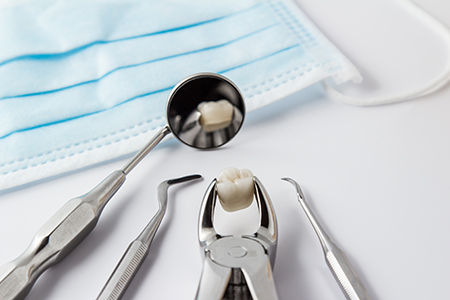
At Granger Dentistry we combine clinical experience with modern techniques to make extractions as safe and comfortable as possible. Our team prioritizes clear communication and individualized care plans so you understand the procedure, alternatives, and postoperative expectations. This collaborative approach helps patients feel informed and confident about their treatment choices.
When a tooth is removed, we also discuss sensible restoration options to rebuild function and appearance. Depending on the clinical situation, we can review denture, fixed bridge, and dental implant solutions. Our goal is to support a comfortable recovery and a long-term outcome that meets your needs.
We care for each patient as an individual, coordinating with specialists when cases call for advanced surgical techniques or when interdisciplinary planning yields the best result. That cooperative mindset ensures treatment is both comprehensive and suited to your overall health.
In summary, extractions are sometimes the most responsible step to protect oral health. Our team focuses on careful assessment, gentle technique, and thoughtful recovery planning so you can move forward with confidence. For more information about tooth removal or to discuss whether extraction is the appropriate option for you, please contact our office to speak with a member of our team.
Extraction is recommended when a tooth cannot be predictably restored or when it poses a risk to overall oral health. This includes teeth with extensive decay that has compromised root structure, fractures that extend below the gumline, or infections that do not respond to conservative therapy. Extractions are also considered to stop the spread of infection or to prevent damage to adjacent teeth and supporting bone.
Decision-making always begins with a thorough clinical exam and appropriate imaging to assess root form, bone levels, and nearby anatomy. Your dental team will review alternatives such as root canal therapy or restorative options and recommend extraction only when those choices are unlikely to produce a lasting, healthy result. The goal is to protect long-term function and comfort while preserving as much natural tissue as possible.
Simple extractions are performed when the tooth is fully visible in the mouth and has a straightforward root anatomy. Local anesthesia numbs the area and special instruments are used to gently loosen and remove the tooth with minimal disruption to surrounding tissues. These procedures are generally quicker and have predictable healing when post-op instructions are followed.
Surgical extractions are needed when a tooth is broken at the gumline, impacted, fused to bone, or has complex root shapes that impede removal. They may involve a small incision, removal of a bit of bone, or sectioning the tooth for safer extraction. In more complex cases, referral to an oral and maxillofacial surgeon ensures specialized surgical technique and advanced imaging are applied for the best outcome.
Wisdom teeth commonly lack space to erupt fully and can become impacted, partially erupted, or subject to decay and infection due to difficult cleaning access. Removal is often recommended when third molars cause pain, recurrent infections, damage to adjacent teeth, or crowding that affects orthodontic outcomes. Proactive removal can also prevent cyst formation or other complications that may develop over time.
The timing of removal considers a patient’s age, tooth position, symptoms, and overall oral health. Young adults often heal more quickly and predictably, making earlier intervention advantageous in some situations. Imaging and clinical evaluation guide whether a conservative monitoring approach or extraction is the safer, long-term choice.
Preparation begins with a clear review of your medical history, current medications, and any concerns about bleeding, infections, or past reactions to anesthesia. Follow preoperative instructions about eating, drinking, and medication adjustments if sedation or general anesthesia will be used. Bringing a list of medications and a responsible adult to accompany you on the day of deeper sedation is often advised.
Rest well the night before and arrange for transportation if you expect to receive sedation that impairs driving or coordination. Notify the office of any changes in your health prior to the appointment, such as recent illnesses or new medications. Proper preparation reduces anxiety, improves safety, and helps ensure a smoother procedure and recovery.
Local anesthesia is routinely used to numb the area and eliminate pain during both simple and surgical extractions. For patients who experience anxiety or require more extensive procedures, sedation options such as oral sedatives or monitored IV sedation can provide a deeper level of relaxation while maintaining safety and responsiveness. The choice of sedation depends on the clinical complexity, medical history, and patient preference.
Your dental team will explain the risks, benefits, and preoperative requirements for any sedation method and will monitor you according to current safety standards. Postoperative pain control is planned in advance and may include over-the-counter analgesics or prescribed medications when appropriate. Following the recommended pain-management schedule helps control discomfort and supports a faster recovery.
The first 48 hours focus on controlling bleeding, minimizing swelling, and protecting the forming blood clot at the extraction site. You will be instructed to apply steady pressure with gauze as directed, use cold packs intermittently to reduce facial swelling, and avoid actions that may dislodge the clot such as rinsing vigorously or using straws. Rest and limited activity support better healing during this initial period.
Medication instructions should be followed precisely to manage pain and reduce infection risk if antibiotics were prescribed. Soft foods, hydration, and avoiding tobacco use are important to protect the surgical site. If you experience increasing pain, prolonged heavy bleeding, or signs of infection, contact the office promptly for evaluation.
Dry socket occurs when the blood clot at the extraction site becomes dislodged, exposing bone and nerve endings and causing delayed pain. To minimize this risk, avoid smoking, vaping, vigorous rinsing, and drinking through straws for the first week after extraction, and follow all postoperative instructions for activity and oral care. Gentle oral hygiene and saline rinses after the first 24 hours help keep the area clean without disturbing healing tissues.
Careful attention to medication schedules, hydration, and nutrition also supports clot stability and tissue repair. If you have a history of dry socket, a difficult extraction, or other risk factors, your clinician may provide targeted measures such as medicated dressings or specific postoperative protocols. Early communication with your dental team about any unusual symptoms allows prompt treatment and reduces the chance of more serious issues.
Replacement timing depends on the reason for extraction, the condition of the surrounding bone, and overall treatment goals. In many cases, options such as dental implants, fixed bridges, and removable dentures are discussed as part of a long-term plan to restore function and appearance. Immediate replacement may be possible in select situations, while other cases benefit from a healing period to allow bone and soft tissues to recover before restoration.
Imaging and clinical evaluation determine whether bone grafting or ridge preservation is needed to support future implant placement. Your dental team will outline the pros and cons of each restorative option and coordinate sequencing to achieve a stable, esthetic outcome. Planning ahead ensures predictable function and helps maintain jawbone health over time.
Retained primary teeth that block normal eruption of permanent teeth are evaluated with clinical exams and radiographs to determine cause and timing of intervention. If roots have not resorbed or a primary tooth is ankylosed (fused to bone), timely removal can prevent misalignment and support proper jaw development. Pediatric extractions focus on minimizing trauma and preserving space for erupting permanent teeth when appropriate.
When extraction is recommended, the approach considers the child’s age, behavior, and future orthodontic needs; in some cases, collaboration with an orthodontist guides the plan. Comfort measures, clear explanations for parents and children, and follow-up monitoring help ensure the best developmental outcome. The practice will provide aftercare instructions tailored to a child’s needs and will schedule follow-up to track eruption and alignment.
Medical history and current medications are critical to safe extraction planning because certain conditions and drugs can affect bleeding, infection risk, and healing. The dental team reviews medications such as blood thinners, bisphosphonates, or immunosuppressants and may coordinate with your physician to adjust therapy or obtain medical clearance when necessary. Appropriate imaging and a tailored treatment plan help mitigate risks and guide the need for special monitoring or referral.
The office of Stratford Family Dental follows protocols for infection control, sedation monitoring, and postoperative support to protect patients with complex medical histories. Clear communication about medication timing, symptoms to watch for, and follow-up care ensures that extractions are performed safely and that any complications are identified early. When additional surgical expertise is required, the team will arrange timely coordination with specialists to achieve the best possible outcome.